......................................................................................................................................................................................................................
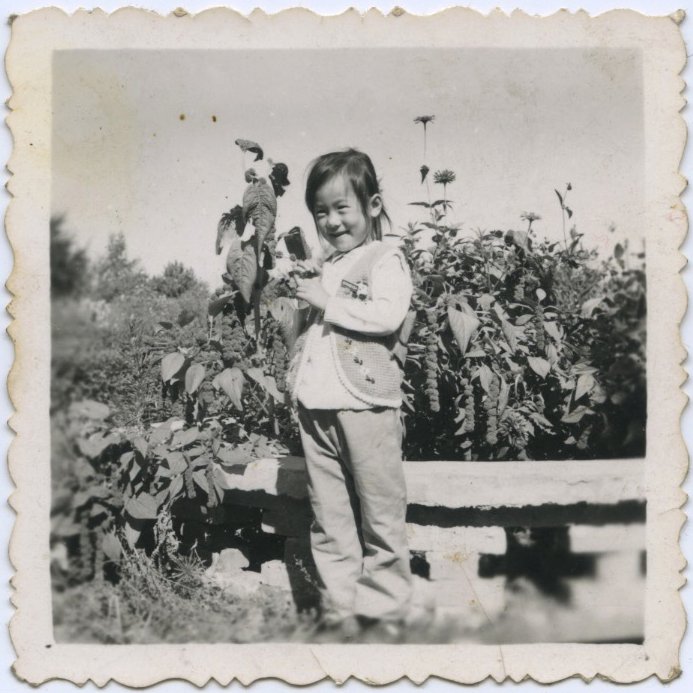
A single photograph from my childhood in Wu Lian — the beginning of memory.

A single photograph from my childhood in Wu Lian — the beginning of memory.

Wu Lian (2025-present)

Wu Lian functions as an originating point within the artist’s personal geography.

A small settlement on a state-run farm in northeastern China, it is remembered not for its boundaries but for the life it held. Though the place has gradually dissolved into the larger landscape, its disappearance creates a generative tension: a site erased in form yet persistent in meaning.

Rather than documenting Wu Lian itself, the project uses its vanishing as a lens through which an entire lifeworld comes into view. Daily rhythms of the farm, childhood movements between the settlement and the main grounds, the texture of work, seasons, and quiet continuities of daily life — all emerge through the gap left by a place no longer present. The farm remains; people continue to live and labor there. But the configuration of the artist’s childhood has slipped into another register, accessible now only through memory, language and the fragments of lived experience,— present and absent at the same time.

Wu Lian is ultimately a study of how a world endures by changing form. Through the disappearance of one small locus, it traces the contours of belonging, time and the subtle transformations that shape the meaning of home.

A single photograph from my childhood in Wu Lian — the beginning of memory.

Wu Lian (2025-present)

Wu Lian functions as an originating point within the artist’s personal geography.

A small settlement on a state-run farm in northeastern China, it is remembered not for its boundaries but for the life it held. Though the place has gradually dissolved into the larger landscape, its disappearance creates a generative tension: a site erased in form yet persistent in meaning.

Rather than documenting Wu Lian itself, the project uses its vanishing as a lens through which an entire lifeworld comes into view. Daily rhythms of the farm, childhood movements between the settlement and the main grounds, the texture of work, seasons, and quiet continuities of daily life — all emerge through the gap left by a place no longer present. The farm remains; people continue to live and labor there. But the configuration of the artist’s childhood has slipped into another register, accessible now only through memory, language and the fragments of lived experience,— present and absent at the same time.

Wu Lian is ultimately a study of how a world endures by changing form. Through the disappearance of one small locus, it traces the contours of belonging, time and the subtle transformations that shape the meaning of home.

A single photograph from my childhood in Wu Lian — the beginning of memory.